

Introduction
Nestled along the western shore of Lake Michigan, Manitowoc North stands as a captivating blend of local history, enduring charm, and genuine community spirit. For those who call it home — or are just wandering under the centuries-old trees — the neighborhood is more than just a spot on the map. Manitowoc North embodies a patchwork of stories, architectural gems, and memories that are part of the city’s collective soul.
The Origins of Manitowoc North
The name "Manitowoc" itself springs from the Algonquian word meaning “home of the good spirit.” Manitowoc North, occupying the northern stretch of the city along the river and lake, grew up alongside the core of Manitowoc as settlers, drawn by the promise of industry and commerce, fanned out from the original downtown in the mid-19th century. Key thoroughfares like Waldo Boulevard and North 8th Street became lifelines, linking emerging residential blocks to the heart of the city.
The neighborhood’s earliest days were shaped by lumber, shipbuilding, and agriculture — trades that laid the foundation for prosperity. As downtown Manitowoc hustled with commerce, families seeking quieter environs and room to grow began building homes along tree-canopied streets north of the Manitowoc River.
How Manitowoc North Got Its Name
The Manitowoc North neighborhood’s name is a reflection of its geography. Separated from the bustle of downtown by the calm water of the Manitowoc River, the community stretched northward, giving rise to its simple, descriptive moniker. Early real estate records and plat maps from the late 1800s already referenced the "north side," which over time became affectionately known among residents as "the North Side" or just "North."
Key Historical Milestones
- 1860s-1880s: The city’s boom, fueled by the shipyards and lumber mills, sees Manitowoc North filling with modest Victorian homes, many of which still stand on places like Menasha Avenue and North 11th Street.
- 1902: Washington Park, now a cornerstone public space, is officially landscaped. Its bandstand becomes a beloved site for summer concerts and community gatherings.
- 1920s: Manitowoc North’s growth accelerates as new waves of immigrants arrive, building churches and cultural centers like St. Paul’s Catholic Church on North 8th Street.
- Post-World War II: Suburban expansion introduces mid-century homes on formerly open lots like those along Waldo Boulevard and Excelsior Boulevard.
- Recent decades: Community revitalization efforts restore historic buildings and bring attention to green spaces such as Dewey Street Park, ensuring the neighborhood’s vibrancy for future generations.
Notable Landmarks and Buildings
- The Rahr-West Art Museum: Situated in the sprawling historic Vilas-Rahr Mansion at 610 N 8th St, the Rahr-West Art Museum is not only an artistic treasure but a testament to Manitowoc North’s opulence at the turn of the 20th century. Its stately architecture and sculpture garden invite visitors to wander through eras of artistic and civic pride.
- Washington Park: Bounded by North 9th and North 11th Streets, this lush park has long been home to playground laughter, picnic suppers, and family traditions. In winter, the park’s towering trees and gazebo become picture-perfect under a dusting of snow.
- Historic Homes: Walking along North 10th and North 11th Streets, gorgeous Queen Anne and Craftsman homes—some lovingly restored by generations of owners—speak to the neighborhood’s mix of prosperity and Midwestern sensibility.
- St. Paul’s Catholic Church: As anchors for the German and Irish immigrant communities, St. Paul’s stately presence on North 8th is a reminder of Manitowoc North’s rich spiritual and cultural roots.
Evolution Through the Decades
Each decade has left its fingerprints on Manitowoc North’s landscape and community life.
- Early Days: Horse-drawn carts once rumbled down North 8th Street, ferrying lumber, dairy, and produce to the markets along the river. Children played in muddy lots, and local businesses clustered along the main intersections of Menasha Avenue.
- 1920s to 1940s: The hum of industry pulsed in the background as Manitowoc Shipbuilding and other factories boomed, bringing good jobs and swelling the neighborhood population. Fraternal lodges, dance halls, and bakeries flourished.
- Postwar Prosperity: Modest single-family homes reflected a growing middle class. Young families thrived, and schools like Jackson Elementary on North 11th became fixtures in local life.
- Recent Times: Today, Manitowoc North is a harmonious balance of history and progress. Some storefronts on North 8th have given way to boutiques and small cafés, while old homes are carefully modernized. Community gardens and tree-planting initiatives keep the area green for future generations.
Social Fabric and Community Spirit
Ask any longtime resident what makes Manitowoc North special, and you’ll likely hear their affection for neighborhood traditions and close-knit bonds. From annual picnics in Dewey Street Park to the laughter drifting from basketball courts at Citizen Park, Manitowoc North is a place where people wave to their neighbors, watch out for each other’s children, and celebrate local pride.
Neighborhood associations, church groups, and service clubs host clean-up days, potlucks, and holiday parades. Even as the world outside grows busier, within Manitowoc North, the pace remains neighborly and familiar.
What Makes Manitowoc North Unique
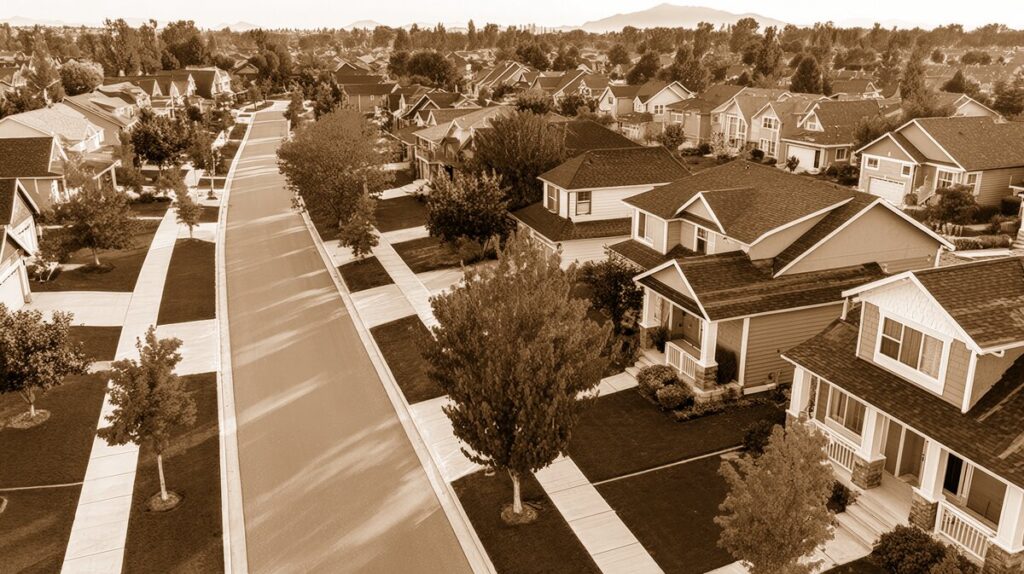
- A Tapestry of Architecture: From Queen Anne mansions to tidy bungalows, the variety of homes mirrors the neighborhood’s dynamic history.
- Beloved Parks and Green Spaces: Washington Park’s shaded walkways, Dewey Street Park’s playgrounds, and the gardens around the Rahr-West Art Museum are vital to daily life.
- Multi-Generational Living: Families often trace their roots back generations, with stories and traditions passed down alongside family recipes and heirloom furniture.
- Proximity to Lake Michigan: Living just blocks from the shore means that Lake Michigan’s beauty — and sometimes her wild winter storms — is part of the neighborhood’s daily rhythm.
Conclusion
The Manitowoc North neighborhood is more than its historic homes, leafy parks, and thriving community organizations. It is an ever-evolving story, a living history shaped by each family, business, and gathering along its streets. Whether you know it as the North Side or simply home, Manitowoc North stands as a testament to the city’s resilience, history, and heart.